How a Sports Science Degree Shapes Your Understanding
What is Sports Science?
Sports science is the study of how the human body moves, adapts, and performs in sporting scenarios. It brings together disciplines such as anatomy, physiology, biomechanics, nutrition, and psychology in order to understand and optimise physical activity. In South Africa, sport scientists often focus on evidence-based interventions, testing and training protocols that seek to enhance performance and reduce injury risk.
The Role of Exercise Physiology
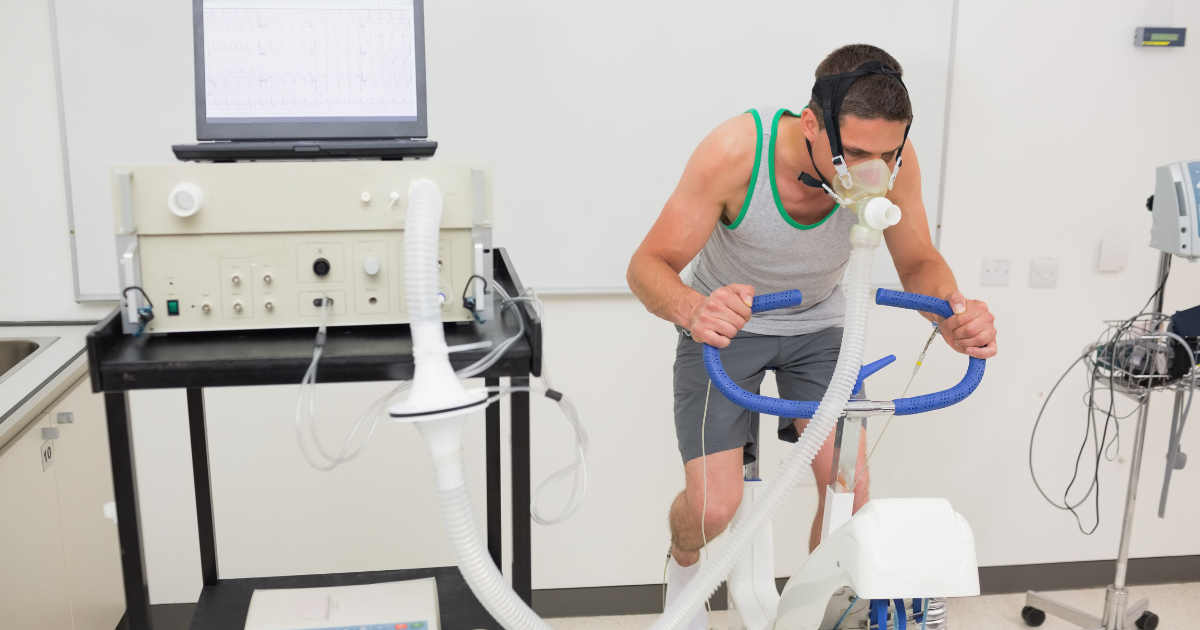
One of the core pillars of a sports science qualification is exercise physiology, which examines how the body responds to and recovers from physical work. Through understanding muscle function, cardiovascular responses and metabolic changes, students learn how to prescribe exercise that is safe, effective, and tailored to individual needs. This foundational knowledge underpins many elements of a Sports Science degree and supports future work as an exercise specialist or trainer.
Biomechanics and Movement Science
Another central principle is biomechanics which is the mechanical analysis of human movement. A Sports Science degree programme trains students to analyse gait, force production, and body alignment, enabling them to optimise performance and prevent injury. In South African sport environments, this ability to interpret movement patterns and apply corrective measures is increasingly important.
Nutrition and Recovery Strategies
Optimising performance requires more than just training hard. A well-designed Sports Science degree covers the role of nutrition, ergogenic aids, and recovery methods in supporting athletes and active populations. By understanding how diet and rest influence adaptation and readiness, graduates can design programmes that promote wellness, performance, and longevity.
Sports Psychology and Psycho-Social Factors
Performance is not just physical; it is mental and emotional too. In the context of a Sports Science degree, students explore how motivation, resilience, leadership and group dynamics impact athletes and teams. This psycho-social component equips graduates to operate in complex sporting and leisure environments, understanding how mental skills align with physical training for overall success.
Designing Programmes and Managing Environments
The ability to design, manage and implement scientifically-based programmes is another key principle. Whether in fitness clubs, community wellness initiatives or competitive sport settings, a strong sports science qualification teaches students how to assess participants, structure training cycles, monitor results and adjust interventions. Institutions such as eta College emphasise this comprehensive approach, combining exercise science with business management and psycho-social studies to develop well-rounded professionals.
Career Versatility and Industry Relevance
One of the advantages of studying a Sports Science degree is its broad career relevance. Graduates can work as exercise specialists, conditioning trainers, wellness managers, sport programme managers, or leisure-industry professionals. In the South African context, where sport and fitness are growing industries, a deep understanding of these core principles positions candidates strongly for employment.
Why Choose eta College’s Sports Science Degree?
If you are considering enrolling in a Sports Science degree, eta College offers a three-year Bachelor of Exercise: Sport and Leisure (SAQA ID:118403, NQF Level 7) designed to equip you with scientific knowledge, practical skills and management capability. By choosing this route you invest in a qualification built around the essential principles of sports science, tailored to the sport, fitness, and leisure sectors.
eta College also offers the following qualifications in Sports Science:
- Advanced Certificate in Fitness: Sport Conditioning
- Higher Certificate: Sports Science
- Diploma: Sport and Exercise
To learn more about course details, campus options and how to apply for a Sports Science degree, visit eta College’s Bachelor of
Exercise: Sport Science course page.