Understanding the Foundation of Movement
The human body is a remarkably intricate system of muscles, bones, nerves, and connective tissues working in harmony. In the field of sports science, the study of how these systems interact under physical load is essential. Through modules like anatomy and exercise physiology, students gain the ability to understand movement patterns and how to optimise them. This foundational knowledge is critical in designing training programmes that support both performance and longevity.
How Physiology Drives Sports Performance
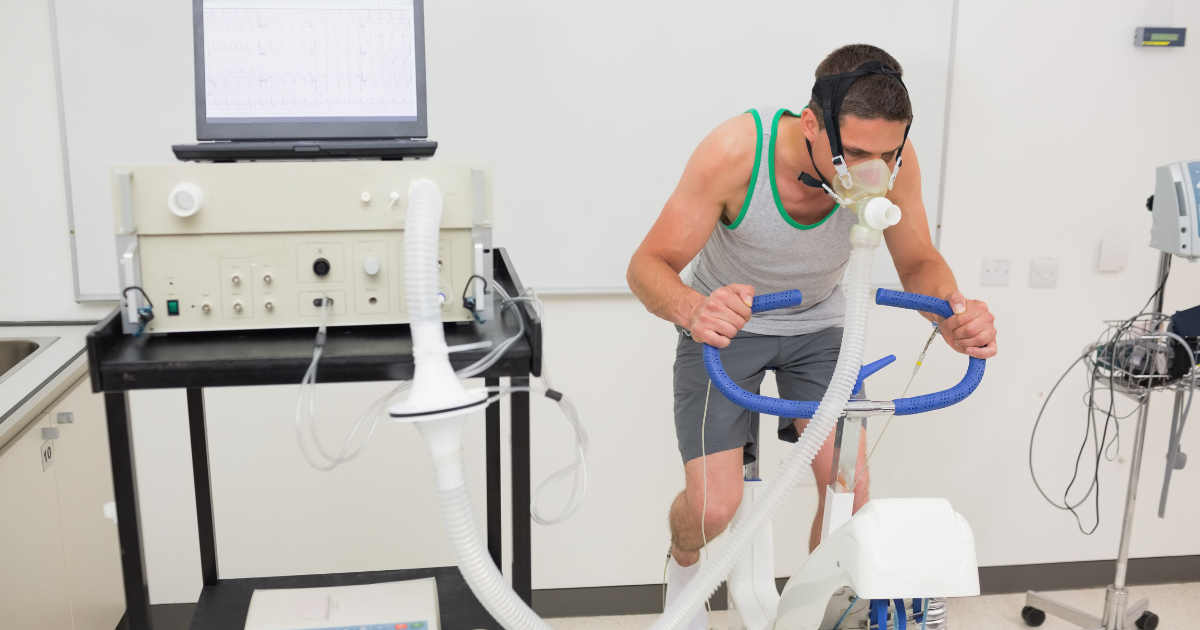
When the body engages in high-intensity sport, a number of physiological systems are activated. The cardiovascular system pumps blood to working muscles, the respiratory system brings in oxygen, and metabolic systems create energy. Within a Sports Science Degree, students learn how the body adapts to training stimuli, how muscle fibres convert from fast-to-slow twitch, how oxygen uptake improves, and how recovery becomes enhanced. Research emphasises evidence-based protocols in movement and physiology to improve athlete performance.
Biomechanics and Injury Prevention
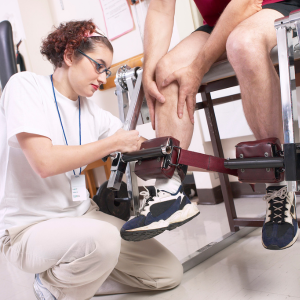
Understanding the mechanical aspects of movement is a major part of a sports science curriculum. Biomechanics explores how forces act upon the body during running, jumping, lifting, or throwing. By analysing movement patterns and taking into account variables such as ground reaction force and joint angles, a sports scientist can design training regimens that both enhance sports performance and reduce the risk of injury. In the South African context, sport scientists are increasingly using advanced testing and instrumentation to tailor programs for individual athletes.
Nutrition, Recovery and Adaptation
Peak performance is not achieved solely through training. Nutrition and recovery play a pivotal role in how the body adapts to stress. Within a Sports Science Degree programme, students will explore the role of macronutrients and micronutrients, timing of meals, hydration, and the use of ergogenic aids.
Ergogenic aids refer to substances, methods, or equipment designed to improve athletic performance by boosting energy output, control, or efficiency. Athletes often use these aids to enhance their physical capabilities, increase strength and endurance, and support faster recovery after exercise. The Sports Science degree offered by eta College covers “Nutrition and Ergogenic Aids” in its course content. When athletes optimise nutrition and recovery, the body can better adapt to training loads, repair tissue, and improve performance over time.
Psychology, Leadership and Performance Culture
The mental side of sport is just as important as the physical. A comprehensive sports science qualification will include modules in sports psychology, leadership, emotional intelligence, and group instruction. The programme at eta College integrates psycho-social studies with business management and exercise science to prepare students for professional practice. In South Africa’s dynamic sport environment, understanding the mindset of athletes, team culture and motivation is essential for high‐performance outcomes.
Why Choose a Sports Science Degree at eta College?
Choosing to study at eta College opens the door to a career grounded in the science of sport and human movement. Our Bachelor of Exercise: Sport Science degree offers NQF Level 7 accreditation, blending exercise science with business and psycho-social studies. By choosing this pathway you develop the theoretical knowledge and practical skills needed to design, implement, and manage scientifically-based programmes in sport, fitness, or leisure contexts.
Charting Your Career in Sports Science
With the right qualification you can pursue roles such as:
- Strength and Conditioning Coach
- Performance Analyst
- Exercise Physiologist
- Wellness Programme Manager.
It is critical that your training covers the science, practical skills, and professional context necessary for career-readiness. South Africa’s sport sector is evolving rapidly, and practitioners who combine scientific knowledge with real-world application are in demand.
What Should Your Next Step Be?
If you are passionate about the human body, movement, sport performance and want a career that blends science with action then a Sports Science Degree could be your ideal path.
Explore the full programme details at eta College where you will learn how to help athletes and clients achieve their peak.