What Biokinetics Is
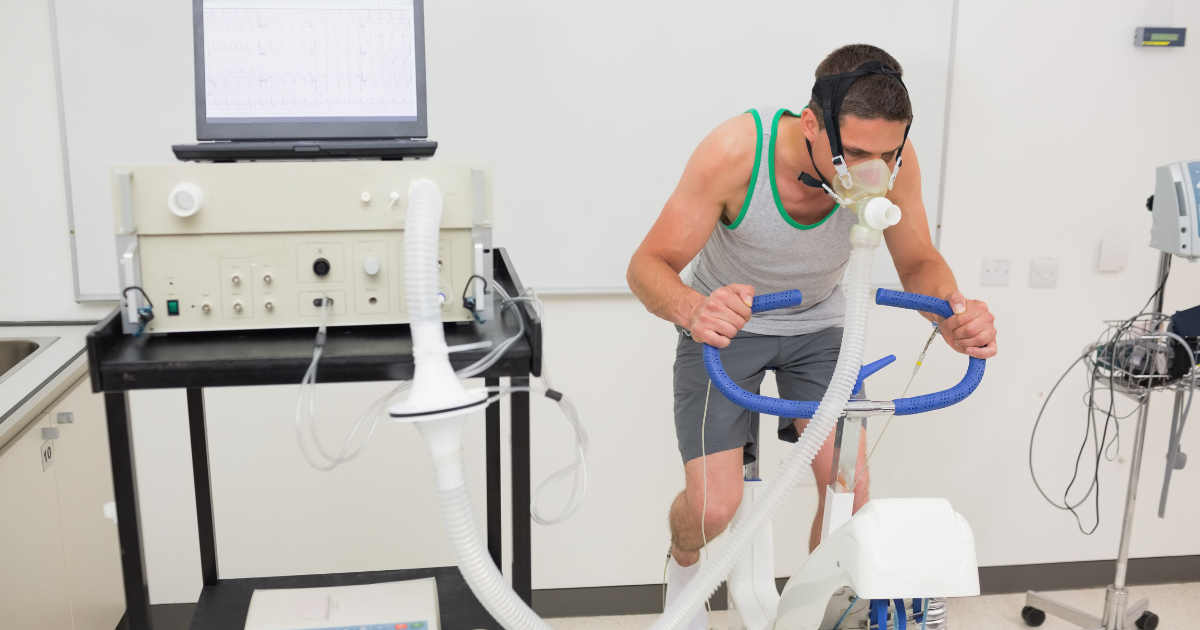
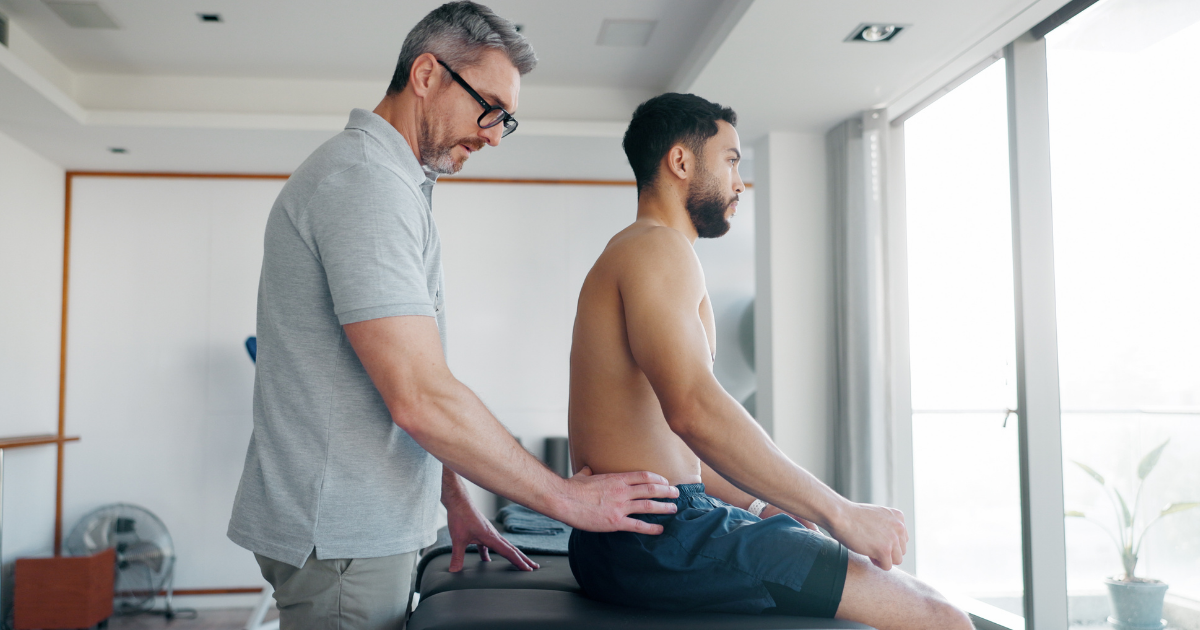
Biokinetics is a South African health profession that uses scientifically designed exercise programmes to promote health, prevent physical deterioration, and support the final phase of rehabilitation in people recovering from injury or managing chronic conditions. It is a clinical, regulated profession, and registration with the Health Professions Council of South Africa is a legal requirement for anyone who wishes to practise as a biokineticist. The profession is unique to South Africa in its specific form, though it has parallels with clinical exercise physiology in the United States, Australia, and the United Kingdom. Research published through IntechOpen traces biokinetics back to the early research of academics at the former Potchefstroom University in the late 1960s, where the therapeutic benefits of exercise were being studied in relation to heart disease and diabetes. That foundational research eventually gave rise to a formally recognised health profession that now operates across private practice, hospitals, rehabilitation centres, and corporate wellness settings. The Biokinetics Association of South Africa defines the profession as focused on the improvement of physical functioning and healthcare through scientifically based exercise. A registered biokineticist assesses clients, designs individualised exercise programmes, and monitors outcomes across rehabilitation, chronic disease management, and health promotion contexts.What Biokineticists Actually Do
A biokineticist’s work spans several settings and client types. In clinical and rehabilitation environments, they work with patients recovering from orthopaedic injuries, surgical procedures, or cardiac events, picking up where physiotherapy ends and helping clients rebuild functional capacity through structured exercise. In chronic disease management, they design and supervise programmes for clients living with conditions such as diabetes, hypertension, osteoporosis, and obesity. In sport and high-performance settings, biokineticists work alongside coaches, physiotherapists, and sport scientists to support injury prevention, return-to-play programming, and athlete conditioning. In corporate wellness environments, they assess employee physical capacity, design workplace exercise interventions, and contribute to occupational health programmes. Salary data compiled from South African job listings suggests that employed biokineticists typically earn between R240,000 and R540,000 per year depending on experience, specialisation, and whether they are employed in private practice or a salaried role. Those who build strong referral networks in private practice can earn meaningfully above those ranges with experience.How Biokinetics Differs from Sport Science and Exercise Science
This is the question most students ask, and the distinction matters for choosing the right qualification pathway.Biokinetics vs Sport Science
Sport science is a broad academic discipline covering physiology, biomechanics, psychology, nutrition, and performance analysis. It is typically studied at traditional universities and does not, on its own, lead to HPCSA registration. Sport science graduates work in performance environments, coaching support, research, and fitness settings, but they do not carry the clinical scope of practice that a registered biokineticist holds.Biokinetics vs Exercise Science
Exercise science at postgraduate level, such as the BHSc Honours in Exercise Science offered at institutions like Wits University, focuses on strength, conditioning, and performance optimisation. As Wits University describes it, the exercise scientist picks up where the biokineticist leaves off, focusing on getting athletes specifically ready for competitive sport once clinical rehabilitation is complete. The two roles are complementary rather than interchangeable.Biokinetics vs Physiotherapy
Physiotherapy manages injuries and conditions across the acute and subacute phases of recovery. Biokinetics operates in the final phase of rehabilitation, once the clinical condition has been stabilised, using exercise as the primary therapeutic tool. The two professions work in sequence and in collaboration rather than in competition.What Qualifications Do You Need to Become a Biokineticist?
The pathway to becoming a registered biokineticist in South Africa is a minimum of five years of formal study. It requires completing a three-year undergraduate degree in sport science or a related field, followed by a one-year BHSc Honours in Biokinetics, which includes the first year of a two-year internship. Registration with the HPCSA becomes possible only on completion of the full internship and all academic requirements. This is a significant commitment, and it is worth being clear-eyed about the entry requirements. Admission to honours biokinetics programmes is competitive, with some institutions accepting only 20 students per year. Strong academic performance in the undergraduate phase is essential. It is also important to note that eta College does not offer a biokinetics degree. Biokinetics registration falls under the HPCSA’s medical scope of practice and requires a degree pathway offered through traditional universities. This is a point eta College is transparent about because it matters for students making long-term career decisions.Where eta College Fits Into This Landscape
While eta College does not offer a biokinetics qualification, it covers the exercise science and sport conditioning territory that sits alongside and in collaboration with biokinetics in the real world of sport and health. The Bachelor of Exercise in Sport and Leisure and the Diploma in Sport and Exercise both train graduates to work with apparently healthy clients and athletes in performance, conditioning, and fitness contexts. These qualifications align with the exercise science role described by Wits University, preparing practitioners to work within the performance and conditioning space rather than the clinical rehabilitation space. For students who are interested in rehabilitation and clinical exercise but are not yet ready or positioned to enter a university biokinetics pathway, eta College’s qualifications offer a legitimate and recognised starting point in the broader exercise and sport science field. Some graduates use this foundation to later transition into postgraduate study in related clinical disciplines. Others find that the sport conditioning and exercise science pathway is the career they want to build. eta College’s qualifications are registered with the South African Qualifications Authority and accredited by the Council for Higher Education. Graduates can register with REPSSA and, through the coaching science pathway, align their credentials with the SASCOC coaching framework. This gives them recognised professional standing within the fitness and sport industry, which is a different but equally valid career space to biokinetics.Choosing the Right Path
If your goal is to work in final-phase rehabilitation, manage chronic disease through exercise, or practise in a clinical health environment, biokinetics is the right destination and a traditional university degree pathway is what you need. If your goal is to work with athletes and active individuals in performance, conditioning, fitness, and sport settings, an eta College qualification gives you a structured, accredited, work-integrated pathway that is respected in the South African sport and fitness industry and recognised internationally through REPSSA’s affiliation with ICREPS. Both paths involve exercise. Both paths serve people. The difference lies in the specific scope of practice, the regulatory framework, and the environments where you will work. Understanding that distinction early makes for better career decisions. If you want to explore the sport and exercise science pathway, find out more about what eta College offers and speak to an advisor who can help you match the right qualification to your goals.What is biokinetics in South Africa?
Biokinetics is a South African health profession that uses scientifically designed exercise programmes to promote health, prevent physical deterioration, and support the final phase of rehabilitation. It is a regulated profession under the Health Professions Council of South Africa, which means registration with the HPCSA is required to practise legally and to use the title of biokineticist.
The profession sits at a specific point in the continuum of healthcare. Biokinetics is not acute care and it is not general fitness training. It occupies the space between the clinical management of an injury or condition and the individual returning to full, unsupervised physical function. Registered biokineticists work with clients recovering from orthopaedic surgery, managing chronic conditions such as diabetes, cardiovascular disease, and obesity, and restoring physical function after illness or long-term deconditioning.
South Africa is one of the few countries in the world with a formalised biokinetics profession at this level. The designation exists here in a way that has no direct equivalent in most other countries, which makes it both a uniquely local career path and a profession that carries real standing within the South African health system. For anyone interested in working where exercise science meets healthcare, biokinetics is one of the most structured and credible options available in the country.
We unpack the origins of the profession, its scope of practice, and where it sits against sport science and physiotherapy in our full guide, Biokinetics in South Africa: The Complete Career Guide. Start there if you are still deciding whether this is the right direction for you.
What does a biokineticist do?
A biokineticist assesses a client's physical condition, designs an individualised exercise programme, and tracks their progress toward a specific health or rehabilitation outcome. The work is built around a clinical assessment process that looks at movement quality, strength, cardiovascular function, and the demands of the client's condition or goal.
The settings vary more than most people expect. Rehabilitation clinics and hospitals are the most recognisable part of the profession, where biokineticists work alongside physiotherapists, orthopaedic surgeons, and other health professionals in a multidisciplinary team. Private practice is the most common model for experienced practitioners, who see clients referred by medical professionals for post-operative rehab, chronic disease management, and functional restoration.
Sport performance is another significant area. High-performance environments employ biokineticists for athlete conditioning, injury prevention programming, and return-to-sport protocols. Corporate wellness is growing too, with organisations bringing in biokineticists to design and supervise programmes for employees in sedentary roles or with chronic health conditions.
The thread running through all of it is the same. Exercise is used as a therapeutic and functional tool, applied with clinical precision to one person's needs. That is what separates biokinetics from personal training or fitness instruction. The population being served, the assessment process, and the accountability that comes with HPCSA registration all place the profession inside the healthcare system rather than the fitness industry.
Our guide to biokinetics in South Africa goes further into each of these work settings, including what a caseload actually looks like in private practice and how referrals reach a biokineticist in the first place.
What is the difference between biokinetics and sport science?
The distinction matters both professionally and legally, and fitness professionals Sport science and biokinetics get confused constantly, particularly by school leavers trying to pick a direction. The difference is real and it changes what each graduate can legally and professionally do.
Sport science is a broad academic discipline covering exercise physiology, biomechanics, sport psychology, nutrition science, and coaching methodology. Its focus is performance: how the body responds to training, how to improve athletic output, and how to support coaches and athletes chasing competitive goals. A sport science degree builds a strong theoretical base across those areas, and graduates go into coaching support, conditioning, fitness, and research roles.
Biokinetics is a regulated health profession with a defined clinical scope. It covers the final phase of rehabilitation and the management of chronic disease and physical dysfunction through exercise. Practising requires a specific degree pathway and HPCSA registration. A sport science degree from a recognised university does not on its own confer the scope of practice or registration status that defines biokinetics.
The practical takeaway is that the two sit next to each other without being interchangeable. A sport scientist works with apparently healthy athletes and active people in performance contexts. A biokineticist works with clinical populations in healthcare-adjacent settings, usually inside a referral network of physicians, physiotherapists, and specialists. If rehabilitation and clinical exercise are what pull you, biokinetics is the path. If performance, conditioning, and fitness are what pull you, sport science and related qualifications are the better fit.
The career comparison section of our biokinetics guide sets the two pathways side by side, including study length, cost, and the kind of employer that hires from each. Worth reading before you commit to a university application.
What is the difference between biokinetics and physiotherapy?
Biokinetics and physiotherapy are separate professions that serve different phases of a patient's recovery. Seeing how they relate makes it much clearer where one ends and the other begins.
Physiotherapy manages injuries and conditions in the acute and subacute phases. In the immediate aftermath of an injury, straight after surgery, or in the early weeks of rehabilitation, physiotherapy is the primary profession involved. Physiotherapists draw on manual therapy, electrotherapy, dry needling, and therapeutic exercise to deal with pain, inflammation, and early functional limitation.
Biokinetics takes over in the final rehabilitation phase, once the condition has stabilised and the focus shifts from treating the injury to rebuilding physical function through progressive exercise. The biokineticist designs and supervises a structured programme that restores strength, mobility, endurance, and functional capacity so the client can get back to daily life, sport, or work.
The two are complementary rather than competing. In a well-structured rehabilitation pathway, a patient moves from acute medical care through physiotherapy and then into biokinetics as recovery progresses. Knowing that sequence helps patients navigating their own recovery, and it helps fitness and sport professionals make the right referral when a client needs clinical care rather than general training.
The rehabilitation sequence is mapped out in full in our biokinetics guide, along with the referral chain that connects doctors, physiotherapists, and biokineticists in South African practice.
How do I become a biokineticist in South Africa?
Becoming a biokineticist in South Africa means completing a longer and more structured academic and clinical pathway than most fitness or sport qualifications require. The route is clearly defined and there are no shortcuts through it.
It starts with a three-year undergraduate degree in sport science or a closely related field at a university. That builds the foundation in exercise physiology, anatomy, biomechanics, and sport science that clinical practice rests on. Next comes a one-year Honours degree in Biokinetics, where the clinical scope of the profession is formally taught and assessed. Entry into honours programmes is competitive and not every sport science graduate gets a place.
After honours, candidates complete a two-year structured internship in an approved clinical setting. This is supervised practical experience that counts toward HPCSA registration. Once the internship is finished and the HPCSA requirements are met, the candidate can register and practise legally.
The full pathway runs a minimum of six years from the first day of the undergraduate degree, and it carries a real cost in both time and money depending on the institution. The career outcomes can justify it, especially for people set on healthcare-adjacent or high-performance sport work. Just go in with the full commitment in view, particularly next to exercise science and sport qualifications that take two to three years and still lead to solid employment in fitness, coaching, and performance.
Our biokinetics guide lays out the same pathway year by year, including which South African universities run accredited honours programmes and what selection panels tend to look for in an application.
Does eta College offer a biokinetics degree?
No. Biokinetics falls under the HPCSA's regulated health professions scope and has to be studied through a traditional university with an accredited biokinetics programme. eta College does not offer a biokinetics degree and would not be the right institution for someone whose specific goal is HPCSA registration as a biokineticist.
This is worth saying plainly, because prospective students sometimes come to eta College looking for a shortcut into the profession. There is no shortcut. The registration pathway requires specific academic credentials from accredited university programmes, and that requirement exists for good reason given the clinical populations biokineticists work with.
What eta College does offer is a range of sport and exercise science qualifications suited to the adjacent career space. The Bachelor of Exercise in Sport and Leisure and the Diploma in Sport and Exercise train graduates to work with apparently healthy clients and athletes in performance, fitness, and conditioning contexts. Both are credible, NQF-registered qualifications that lead to real employment in sport, fitness, and performance settings.
For a lot of people who start out drawn to biokinetics, these programmes turn out to be the better fit once they understand the full scope of each career. The eta College route is faster, more flexible, more accessible financially, and leads into the sport and fitness sector where most exercise professionals actually work. Biokinetics is right for a specific group with specific clinical ambitions. eta College's programmes are right for a much larger one.
If you landed here from our guide to biokinetics in South Africa, the closing section covers the alternatives in more detail and explains which eta College qualification suits which career goal.
What is the biokinetics salary in South Africa?
Salary for biokineticists in South Africa varies widely depending on the employment setting, years of experience, location, and whether the practitioner is salaried or running their own practice.
Market data puts employed biokineticists at roughly R240,000 to R540,000 per year in a structured employment context. Entry-level roles in hospital and clinic settings, or the early years of private practice, tend to sit at the lower end. Experienced practitioners with an established practice and a strong referral network from local medical professionals can earn above that range, with income driven largely by client volume and session rates.
Location matters as well. Biokineticists in Johannesburg, Cape Town, and Pretoria have access to bigger client pools and higher market rates. Rural and peri-urban practice can work, but usually means lower client volumes unless the practitioner is tied to a hospital or healthcare facility that supplies a steady referral stream.
If you are doing a career cost-benefit calculation, weigh those figures against the minimum six-year qualification pathway and the study costs behind it. An eta College sport and exercise qualification takes two to three years and leads into the fitness and sport sector, where income grows meaningfully with experience, specialisation, and business skills. Both paths have merit. The comparison that matters is between the career you actually want and what it realistically takes to get there.
The earnings section of our biokinetics guide breaks the numbers down by setting and experience level, and compares them against other South African exercise and sport careers.
What is the closest qualification to biokinetics that eta College offers?
The two qualifications at eta College that sit closest to the biokinetics space are the Bachelor of Exercise in Sport and Leisure and the Diploma in Sport and Exercise. Both are grounded in exercise science, human movement, and applied conditioning, and both prepare graduates for the performance and fitness contexts that sit alongside clinical biokinetics in the wider exercise profession.
The key distinction is scope of practice. eta College graduates work with apparently healthy clients and athletes in fitness, sport, and performance settings. Biokineticists work with clinical populations in healthcare-adjacent environments under HPCSA registration. The knowledge base overlaps a great deal, especially in exercise physiology, programme design, and movement assessment, but the populations served and the professional frameworks are not the same.
For someone drawn to the science of human movement who does not want to commit to a six-year university pathway, or who is more interested in sport performance than clinical rehabilitation, the eta College route is a strong alternative rather than a compromise. The programmes are NQF-registered, recognised by professional bodies including REPSSA and SASCA, and built to produce graduates who are employment-ready across a wide range of sport and fitness roles.
If you are genuinely torn between biokinetics and an eta College sport science qualification, think carefully about the population you want to work with and the setting you want to work in. That question sorts it out far more reliably than comparing qualification names.
Our biokinetics guide covers the same comparison from the other direction, starting with the profession itself and working outward to the adjacent qualifications. Read both if you are weighing up an application this year.