Why Numbers and Data Matter in Sport Science
When you think of sport science, the first things that come to mind may be training routines, nutrition, and the physiology of the body. Yet mathematics plays a crucial role behind the scenes. From analysing performance metrics to modelling motion and energy use, maths provides the objective language that turns observations into evidence. For students enrolling in sport science courses, meeting the right subject mix often includes mathematics because the discipline demands quantitative accuracy, data interpretation, and analytical thinking.
Understanding Biomechanics and Movement Through Maths
In the field of Sports Biomechanics, mathematics becomes especially important. Biomechanics uses principles of mechanics, a branch of physics grounded in mathematical equations, to study how forces, velocity, acceleration, and body mechanics affect human movement. Concepts such as kinetics and kinematics rely on algebra, geometry, and sometimes more advanced mathematics to describe how limbs move, how joints absorb load, and how athletes generate force.
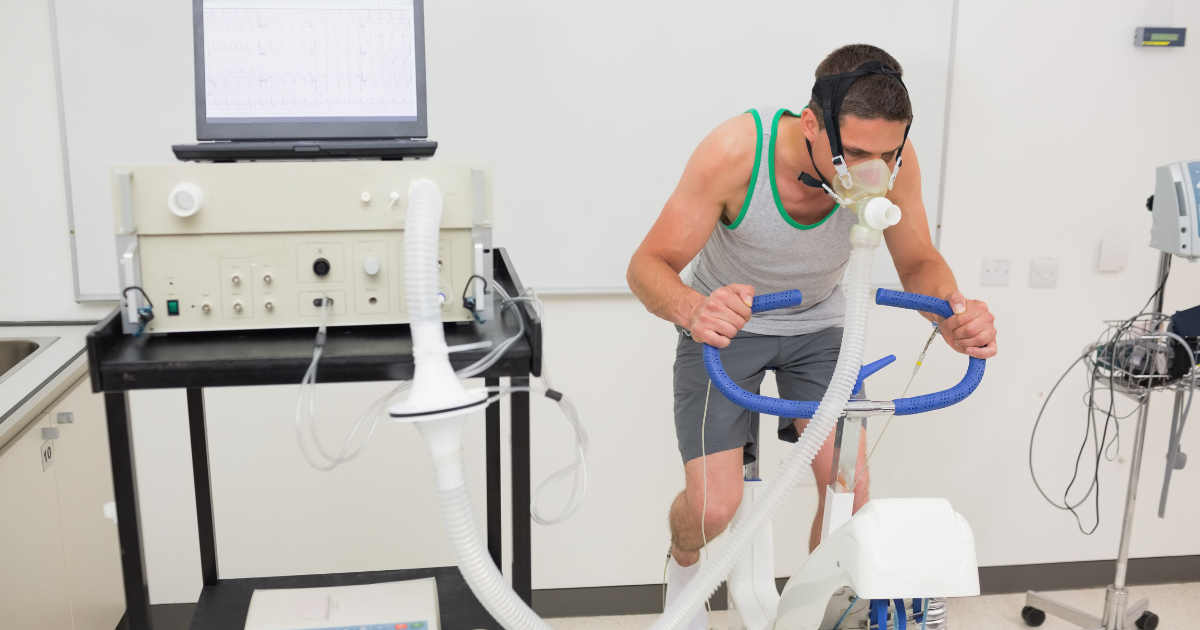
By using these mathematical models, sport science practitioners can measure running economy, predict the energy cost of movement, and advise on technique improvements to reduce injury risk or enhance performance. Without maths, these quantifiable insights would not be possible, and coaches or exercise scientists would have to rely on guesswork rather than data-driven decisions.
Mathematics and Statistics for Performance Analysis
Another key area where maths is indispensable is performance analytics. Whether for elite sport or general fitness, analysing training results, monitoring improvements, or comparing athlete performances requires statistical tools. Basic arithmetic helps calculate averages, percentages, and rates, for example, speed, heart rate change, or recovery times. More advanced statistics can identify patterns, correlations or significant changes in performance over time.
Especially when applied over groups (teams, age categories, or training groups), statistical analysis helps coaches and sport scientists understand which training methods work best, when to push or rest athletes, and how to tailor programmes for individuals. This evidence-based approach separates modern sport science from trial-and-error coaching of the past.
Meeting Sport Science Subject Requirements with Maths
Given the importance of mathematics in biomechanics and performance analysis, many sports science degrees list mathematics as a core entry requirement. In South Africa, for example, sport science courses often require matriculation-level Mathematics (or at least higher-level mathematics than simple literacy) to ensure students are prepared for the quantitative and analytical components of study.
Biokinetics and Exercise Sciences
These sport science subject requirements are not arbitrary. They ensure that every student entering the programme can cope with modules dealing with biomechanics, physiology, measurement and evaluation, data analysis, and exercise prescription. Without that mathematical foundation, students may struggle with core content that relies heavily on quantitative reasoning and measurement.
Applying Maths in a Practical Sport Science Programme
If you choose to study at eta College, for example through the Bachelor of Exercise: Sport Science, mathematics becomes part of the toolkit that supports everything from fitness testing to athlete monitoring, from movement analysis to performance tracking. As sport science at eta College involves disciplines such as physiology, biomechanics, wellness and performance science, being comfortable with maths helps you make sense of body measurements, training loads, energy expenditure, and progress over time.
In a world increasingly driven by data, sport science professionals must be able to interpret numbers, apply mathematical models, and draw evidence-based conclusions. Maths skills ensure that you can translate theory into meaningful, measurable results, whether working with athletes or clients, or conducting fitness assessments and training programmes.
Preparing for a Data-Focused Future in Sport Science
As sports continue to evolve, the demand for scientifically-backed analysis and precision becomes greater. Whether tracking performance over a season, designing training cycles, predicting injury, risk, or optimising performance outputs, maths will remain at the core of sport science.
For students aiming to work in fitness, coaching, rehabilitation, performance analysis or sports research, solid mathematical skills will give you a competitive edge.
To build a data-driven foundation for a career in sport and fitness, consider studying the Bachelor of Exercise: Sport Science by visiting this link: Study Sport Science at eta College. Unlock your potential in sport science with mathematics at its core.