Sports Science Courses in South Africa: Building a Career in the Sports Industry
Sports science has become one of the most important disciplines in modern sport. From improving athletic performance to preventing injuries and optimising training programmes, sports science plays a critical role in how athletes and teams prepare for competition. As the sports industry continues to grow in South Africa, there is increasing demand for professionals who understand the science behind performance, fitness and athlete development. This has led many students to pursue qualifications in sports science, coaching and sports management. Institutions such as ETA College specialise in programmes that prepare students for careers in the sport, fitness and wellness industries. These courses combine scientific knowledge with practical experience, helping graduates develop the skills needed to work with athletes, teams and sports organisations.What Is Sports Science?
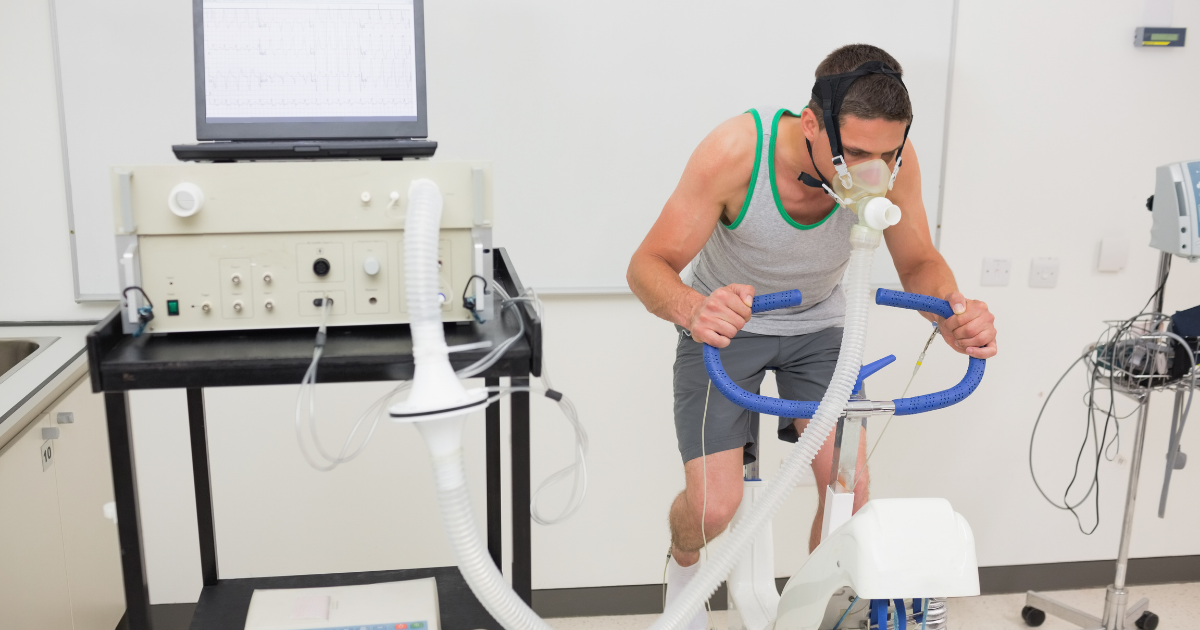
Sports science is the study of how the human body performs during physical activity and how training methods can improve performance. It combines several scientific disciplines including physiology, biomechanics, psychology and nutrition. Professionals working in sports science help athletes:- Improve strength and conditioning
- Prevent injuries
- Optimise training programmes
- Analyse performance data
- Support long-term athlete development
Sports Science Courses at ETA College
ETA College offers several programmes that focus on sports science and exercise science, providing students with both theoretical knowledge and practical training. Examples of sports science qualifications include: Bachelor of Exercise in Sport Science This programme explores the scientific foundations of human performance, covering subjects such as exercise physiology, biomechanics and athlete conditioning. Higher Certificate in Sports Science An entry-level qualification designed for students who want to begin a career in the sport and fitness industry. Diploma in Sport and Exercise A practical programme focused on training techniques, exercise programming and athlete development. These sports science courses help students develop a deep understanding of how training, recovery and conditioning influence performance. Graduates may pursue roles such as:- Sports scientist
- Strength and conditioning coach
- Performance analyst
- Exercise specialist
Sports Management and Coaching Courses
While sports science focuses on athlete performance, the sports industry also requires professionals who understand management, leadership and coaching. ETA College therefore offers additional qualifications such as:- Bachelor of Management in Sport and Leisure
- Diploma in Sport and Recreation Management
- Advanced Personal Trainer Certification
- Sport Conditioning and Coaching Programmes
- Sport event management
- Club and facility management
- Athlete coaching and development
- Fitness and wellness training
Career Opportunities in Sports Science
Graduates with sports science qualifications can work in many areas of the sports and wellness industries. Some common career paths include:- Sports Scientist Working with athletes to analyse performance and optimise training programmes.
- Strength and Conditioning Coach Designing training systems that improve athletic performance and reduce injury risk.
- Personal Trainer or Fitness Specialist Helping individuals improve health, fitness and overall wellbeing.
- Sports Performance Analyst Using data and technology to evaluate athletic performance.
Why Study Sports Science?
Studying sports science provides a unique opportunity to combine a passion for sport with a professional career. Key benefits include:- Working in the sports industry Sports science qualifications allow graduates to work directly with athletes and sports organisations.
- A growing global industry The sport, fitness and wellness sectors continue to expand worldwide.
- Practical career skills Students gain hands-on experience in training methods, exercise programming and performance analysis.
- Multiple career pathways Sports science graduates can pursue careers in coaching, fitness, sport performance, rehabilitation or sport management.
Frequently Asked Questions about sports science?
What is sports science? Sports science studies how exercise affects the human body and how training methods can improve athletic performance. It combines physiology, biomechanics, psychology and nutrition. What careers can sports science lead to? Sports science qualifications can lead to careers such as sports scientist, strength and conditioning coach, performance analyst, personal trainer or fitness specialist. Where can you study sports science in South Africa? Several institutions offer sports science programmes, including specialised sport education providers such as ETA College. Are sports science courses difficult? Sports science courses combine theory and practical learning. Students study subjects such as physiology, biomechanics and exercise programming while also gaining hands-on experience. Is sports science a good career choice? Sports science is a growing field with opportunities in professional sport, fitness, rehabilitation and athlete performance environments. Sports science is at the heart of modern sport and athlete performance. As the sports industry continues to grow, the demand for qualified professionals with expertise in exercise science and athlete development will continue to increase. By studying sports science and related programmes at ETA College, students gain the knowledge and practical experience needed to pursue careers across the sport, fitness and wellness industries. Whether your goal is to coach athletes, manage sport organisations or contribute to high-performance environments similar to those seen at institutions like SSISA, sports science education provides the foundation for a rewarding career in sport.What Is Sports Science?
Sports science is the study of how the human body performs during physical activity and how training methods can improve athletic performance. It combines several disciplines including exercise physiology, biomechanics, nutrition and sports psychology.
Sports scientists use this knowledge to help athletes train more effectively, reduce injury risk and optimise performance.
As explained in our guide to sports science courses in South Africa, studying sports science provides the academic and practical foundation needed to work in performance environments, fitness facilities and sports organisations.
What Careers Can Sports Science Lead To?
A qualification in sports science can lead to a wide range of careers within the sports and wellness industries. Graduates often work as:
- Sports scientists
- Strength and conditioning coaches
- Personal trainers
- Performance analysts
- Exercise specialists
These professionals may work with athletes, sports teams, gyms, wellness centres or performance institutes.
As discussed in our main article on sports science courses and careers in sport, studying sports science helps develop the technical knowledge required for roles that focus on athlete performance and fitness development.
Where Can You Study Sports Science in South Africa?
Students interested in sports science can study a variety of qualifications in South Africa, including degrees, diplomas and certificates in exercise science, sports science and sports management.
Specialised institutions such as ETA College offer programmes designed specifically for careers in the sport and fitness industry.
As outlined in our article on sports science courses at ETA College, these programmes combine scientific knowledge with practical training to prepare graduates for roles in coaching, fitness and athlete performance.
Are Sports Science Degrees Worth It?
Sports science degrees are valuable because they provide a deep understanding of how the human body responds to exercise and training. This knowledge is essential for improving athletic performance, preventing injuries and designing effective training programmes.
With the continued growth of the global sport and wellness industries, qualified professionals with sports science knowledge are increasingly in demand.
As discussed in our article on studying sports science and related courses, these qualifications can open the door to careers in coaching, athlete conditioning, fitness training and sport performance environments.
What Skills Do Sports Science Students Learn?
Students studying sports science develop a range of practical and theoretical skills related to athlete performance and physical training.
These include:
- Exercise physiology
- Biomechanics and movement analysis
- Strength and conditioning
- Training programme design
- Performance testing and analysis
As highlighted in our guide to sports science courses and career pathways, these skills prepare graduates to work with athletes, fitness clients and sports organisations.