You’ve finished your degree. You’ve done some coaching, maybe worked in a gym or helped out at a club. And you’ve probably noticed that the people running performance at serious teams work differently. They plan with data, they talk about training load and readiness, and the coaches listen to them.
A Postgraduate Diploma in Sports Performance is designed to close that gap. This guide covers eta College’s programme in detail, including entry requirements, modules, 2027 fees and the jobs it prepares you for.
Inside eta College’s Postgraduate Diploma in Sports Performance
What the qualification is
eta College’s Postgraduate Diploma in Sports Performance is an applied qualification for people who want to work in high-performance sport. It is accredited by the Council on Higher Education (CHE), registered at NQF level 8 on the Higher Education Qualifications Sub-Framework and carries 120 credits (SAQA ID 126177).
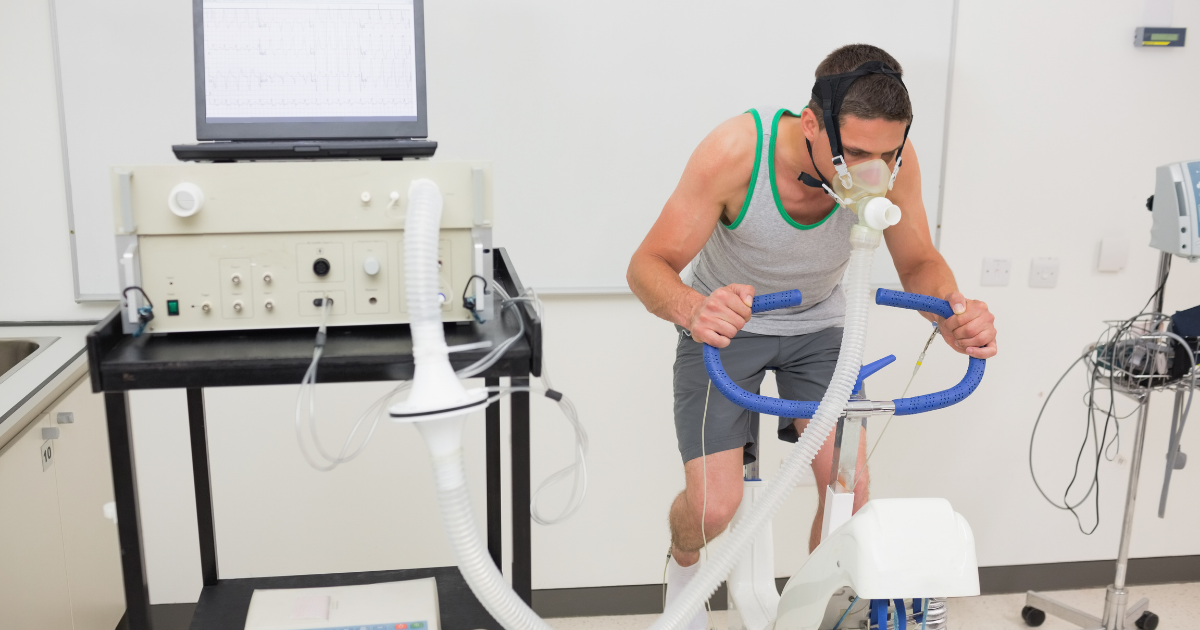
The emphasis is on practice. Students learn to assess, monitor and improve individual and team performance, manage training load, support injury prevention and recovery, and work as part of a multidisciplinary performance team. The programme is aimed at coaches, sport scientists, performance analysts and practitioners who already have a foundation and want to apply it at a higher level.
The programme at a glance
| Detail | Information |
| Qualification | Postgraduate Diploma in Sports Performance |
| NQF level | 8 |
| Credits | 120 |
| Accreditation | Council on Higher Education (CHE) |
| Duration | 1 to 2 years |
| Format | Campus or hybrid |
| Orientation | 9 February 2027 |
| Classes start | 16 February 2027 |
Who can apply
Applicants need a relevant bachelor’s degree or a relevant Advanced Diploma with an average of at least 60%.
The programme is a good fit for:
- Sport and exercise science graduates who want to specialise
- Strength and conditioning coaches working with teams or academies
- Coaches who want a more evidence-based way to plan and review training
- Practitioners moving into performance analysis or athlete monitoring
If you’re unsure whether your degree meets the requirements, send an enquiry and eta’s admissions team will check it for you.
What you’ll study
The modules start with the science behind training, move into measurement and decision-making, and finish with real-world practice.
| Module | What you’ll learn |
| Training Theories and Process | Why training methods work and how to design, structure and evaluate interventions in individual and team sports |
| Performance Psychology and Mental Toughness | How pressure, behaviour and mindset affect performance, and how to build mental toughness in athletes and teams |
| Data Analysis and Delivery | Choosing the right metrics, spotting trends, using statistics and turning data into feedback coaches can use |
| Tracking and Monitoring | Working with athlete monitoring tools such as real-time feedback systems, time-motion analysis and impact data |
| Training Load | Managing load to improve performance while keeping injury risk and athlete wellbeing in check |
| Needs Analysis | Profiling a sport and its athletes, identifying KPIs and injury risks, and benchmarking performance |
| Performance Interventions | Choosing and justifying the interventions that give athletes or teams the biggest benefit, based on evidence |
| Capstone Research Project | Solving a real sport performance problem through applied research, presented as a written report and an oral presentation |
| Work Integrated Learning | Supervised practice in real performance environments, working inside multidisciplinary teams |
| Performance Analysis: Introduction (optional) | Coding, time-motion analysis, KPIs and industry software for analysing performance |
Work integrated learning and the capstone project are what make this more than a theory course. Graduates leave with practical experience and a piece of applied research they can discuss in job interviews.
Career opportunities
Graduates are prepared for roles in professional, development and academy sport, including:
- Sport performance analyst
- Strength and conditioning coach
- High-performance sport support manager
- Athlete development specialist
- Performance testing and monitoring specialist
- Sport technology and data analyst
- Sports performance coach for individual or team sport
- Athlete monitoring and performance coordinator
- Academy or elite team performance staff member
- Sport consultant or advisor
For background on how performance work fits into coaching structures in South Africa, read our article on what SASCOC is and why it matters for coaches.
Is it the right fit for you?
The diploma suits graduates with a sport-related degree who enjoy both the science and the practical side, and who want to work where performance decisions are made. If you’re more drawn to the business side of sport, a sport management qualification may suit you better. If you don’t have a degree yet, start with an undergraduate programme and come back to this once you’ve graduated.
How to apply
Download the fact sheet for the full programme details. You can then enquire or apply for the February 2027 intake on the Postgraduate Diploma in Sports Performance page.